Learn how weather forecasts work, their importance, forecasting methods, accuracy, and how predictions help daily planning and safety worldwide.
What is a Weather Forecast?
A weather forecast is a scientific prediction of the atmospheric conditions at a specific location over a specified period. It includes information about temperature, precipitation, wind, and other meteorological phenomena.
How Modern Forecasting Works
Modern weather forecasting employs a range of technologies and methodologies, including:
Numerical Weather Prediction (NWP): Uses mathematical models of the atmosphere to simulate weather patterns.
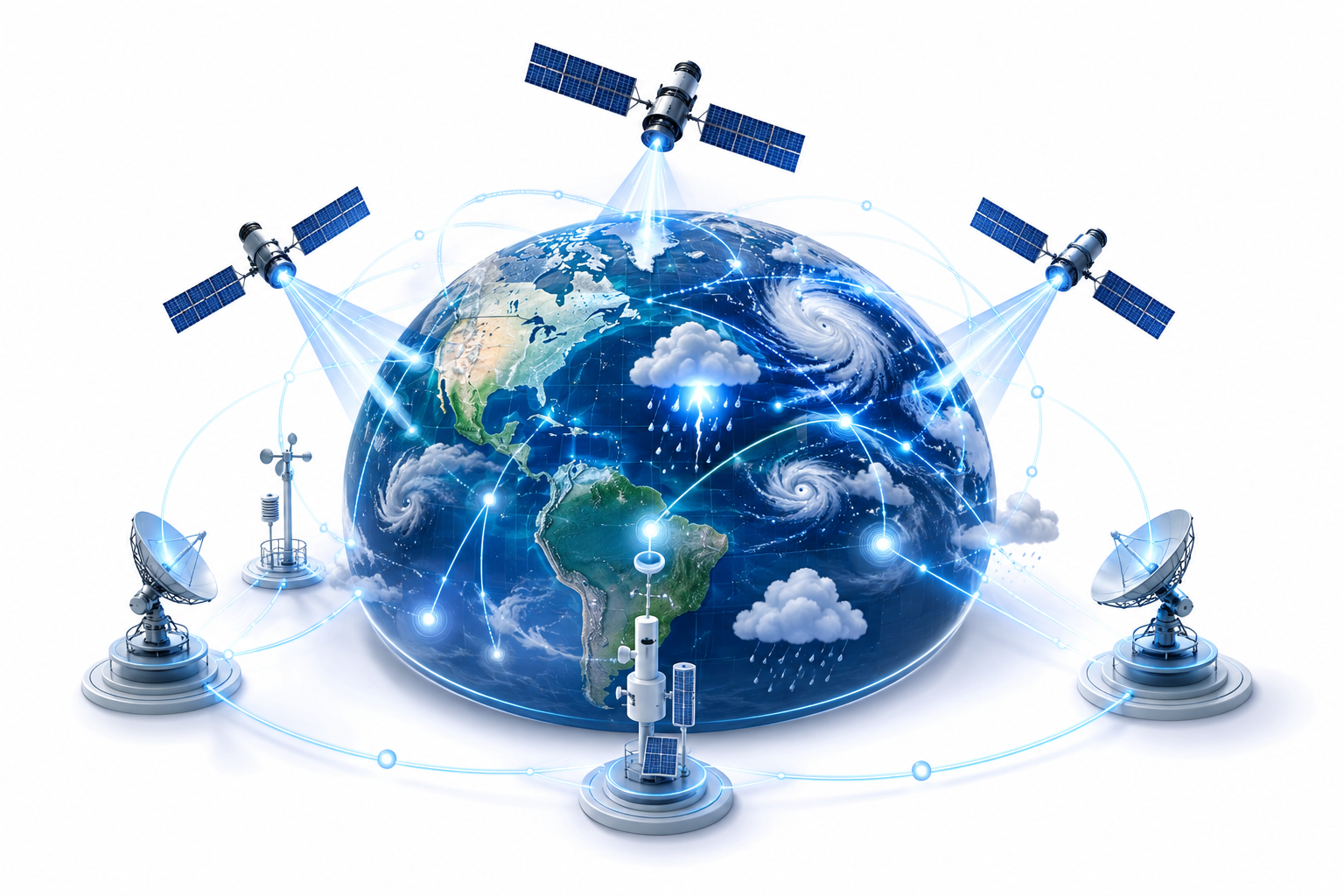
Remote Sensing: Involves satellites and radar systems to gather data on current weather conditions.
Data Assimilation: Integrates observational data into weather models to improve forecast accuracy.
These technologies allow meteorologists to provide comprehensive and timely weather forecasts.
Table: Weather Forecast Data Sources
Data Source | What It Measures | Why It Is Important |
|---|
Weather Stations | Temperature, humidity, wind speed, air pressure | Provides accurate ground-level weather observations. |
Weather Satellites | Cloud movement, storms, atmospheric conditions | Tracks weather systems across large geographic areas. |
Doppler Radar | Rainfall intensity, thunderstorms, wind movement | Detects severe weather and precipitation in real time. |
Weather Balloons | Temperature, humidity, pressure, wind at high altitudes | Collects upper-atmosphere data for better forecasting models. |
Ocean Buoys | Sea temperature, wave height, wind speed | Helps predict coastal weather, cyclones, and ocean conditions. |
AI & Computer Models | Massive weather datasets and historical patterns | Improves forecast accuracy and generates faster predictions. |
Importance of Accurate Weather Predictions
Accurate weather forecasts are crucial across various sectors:
- Daily Life: Helps individuals plan their day, from choosing outfits to scheduling outdoor activities.
- Travel: Essential for flight safety and road travel, influencing departure times and routes.
- Agriculture: Farmers rely on forecasts to manage planting and harvesting schedules.
- Outdoor Activities: Sports and recreational activities depend on reliable weather information.
- Emergency Preparedness: Essential for responding to severe weather events, allowing communities to implement safety measures.
Types of Weather Forecasts
Weather forecasts can be categorized based on their time frames:
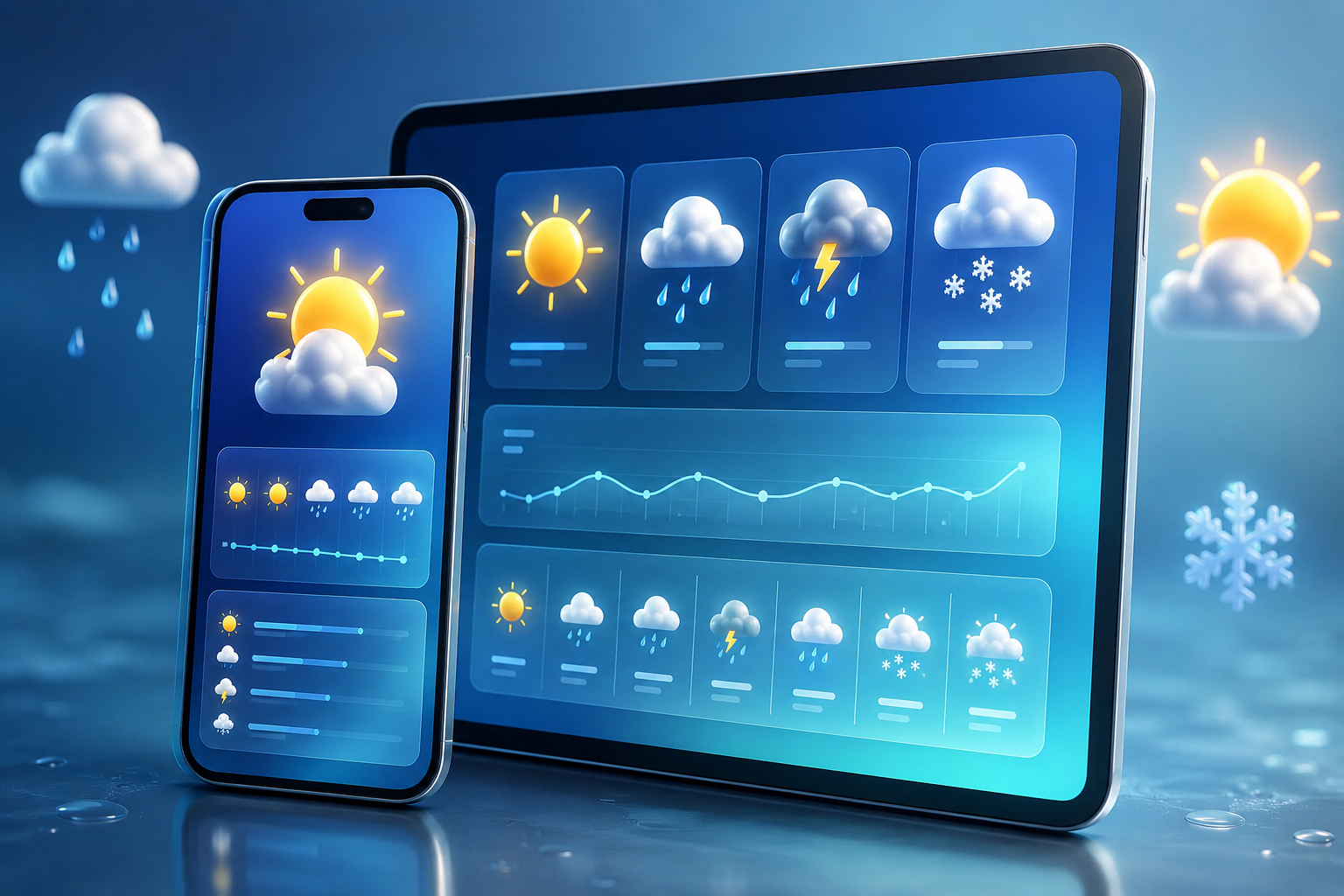
- Hourly Forecasts: Provide specific predictions for each hour, ideal for short-term planning.
- Daily Forecasts: Offer an overview of expected weather conditions for the day, including high and low temperatures.
- Weekly Forecasts: Give a broader view of trends over the week, useful for long-term planning.
Technologies Behind Weather Predictions
The accuracy of weather forecasts has significantly improved due to advancements in technology:
- Weather Satellites: Provide real-time images and data on cloud cover, storm systems, and atmospheric conditions.
- Radar Systems: Track precipitation and storm movements, offering detailed insights into local weather.
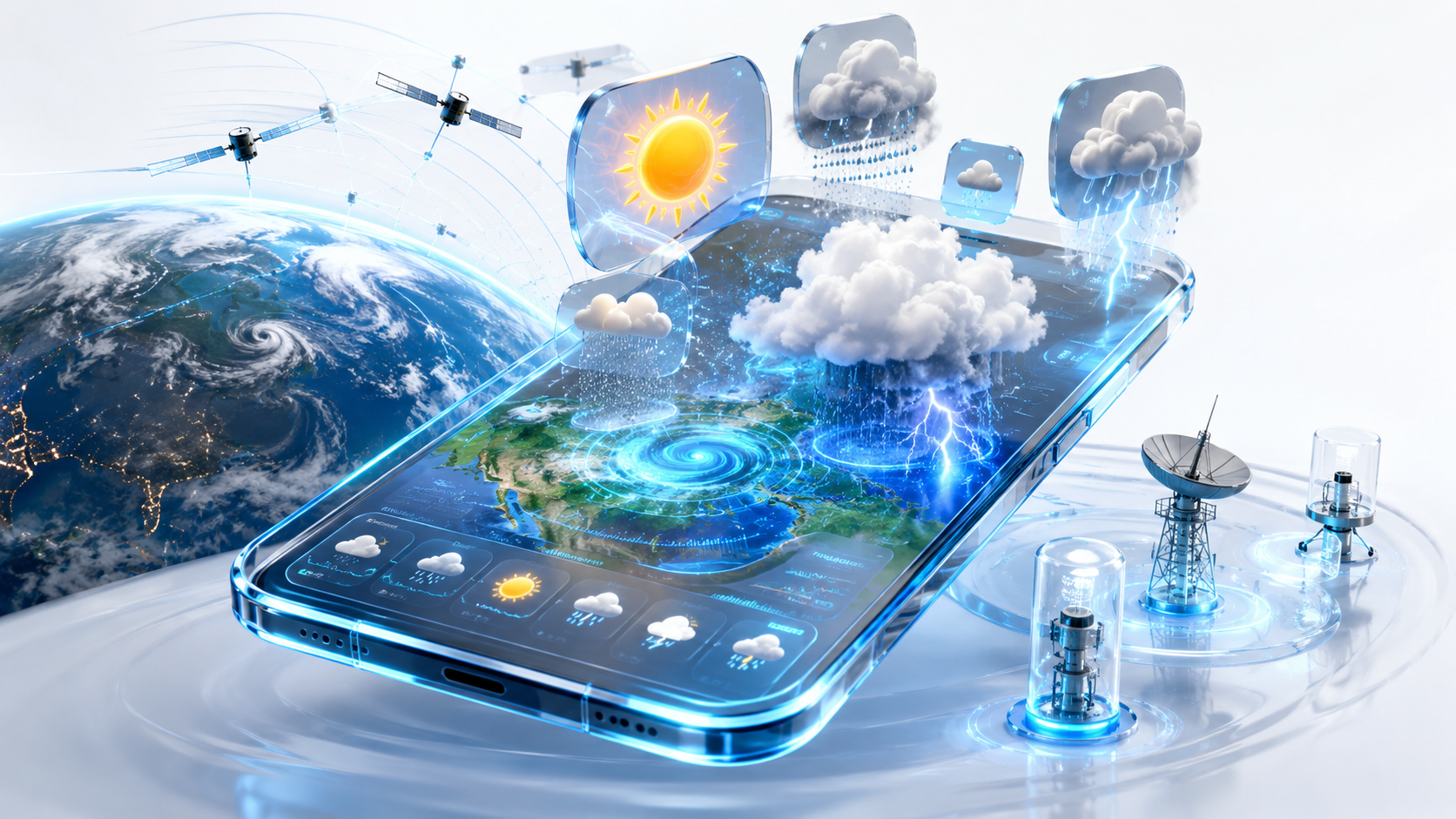
- Weather Apps: Such as Weather 247 Forecast - SKYAQI, provide real-time updates and alerts for severe weather, enhancing user preparedness.
To effectively use weather forecasts, consider these practical tips:
- Understand the Terminology: Familiarize yourself with terms like 'chance of precipitation' and 'wind chill'.
- Check Multiple Sources: Compare forecasts from different services to get a well-rounded view.
- Use Location-Based Forecasts: Many weather apps provide hyper-local updates that are more accurate for your area.
Conclusion: Actionable Insights
Weather forecasts are indispensable tools for planning daily activities, travel, and emergency preparedness. By leveraging modern weather technology and understanding how to interpret forecasts, you can make informed decisions. Consider using apps like Weather 247 Forecast - SKYAQI for timely updates and alerts tailored to your needs.